
HUMAN UNDERSTANDING LAYER FOR AI SYSTEMS
HUMAN UNDERSTANDING LAYER FOR AI SYSTEMS
Navia-X helps surface where users struggle to understand AI outputs — even when the interaction appears successful.
A lightweight semantic feedback layer.
Model-agnostic. No model changes required.
the product
A semantic feedback layer for human-AI understanding.
Not a chatbot. Not a browser plugin. Not a replacement model.
Navia-X is not:
a conversational AI
a browser extension focused on convenience
a standalone interface competing with existing models
a model retraining or fine-tuning tool
What this is not
What it is
Navia-X is a semantic interpretation layer that runs alongside AI systems.
It helps users clarify unclear concepts in context, while structuring moments of misunderstanding into machine-readable semantic signals.
Current status
Live first version · Actively iterating · Model-agnostic
how it works
1. In-Context Interpretation
Users highlight or hover over unclear words, phrases, or concepts during interaction.
Interpretation occurs directly within the original context, without leaving the primary interface.
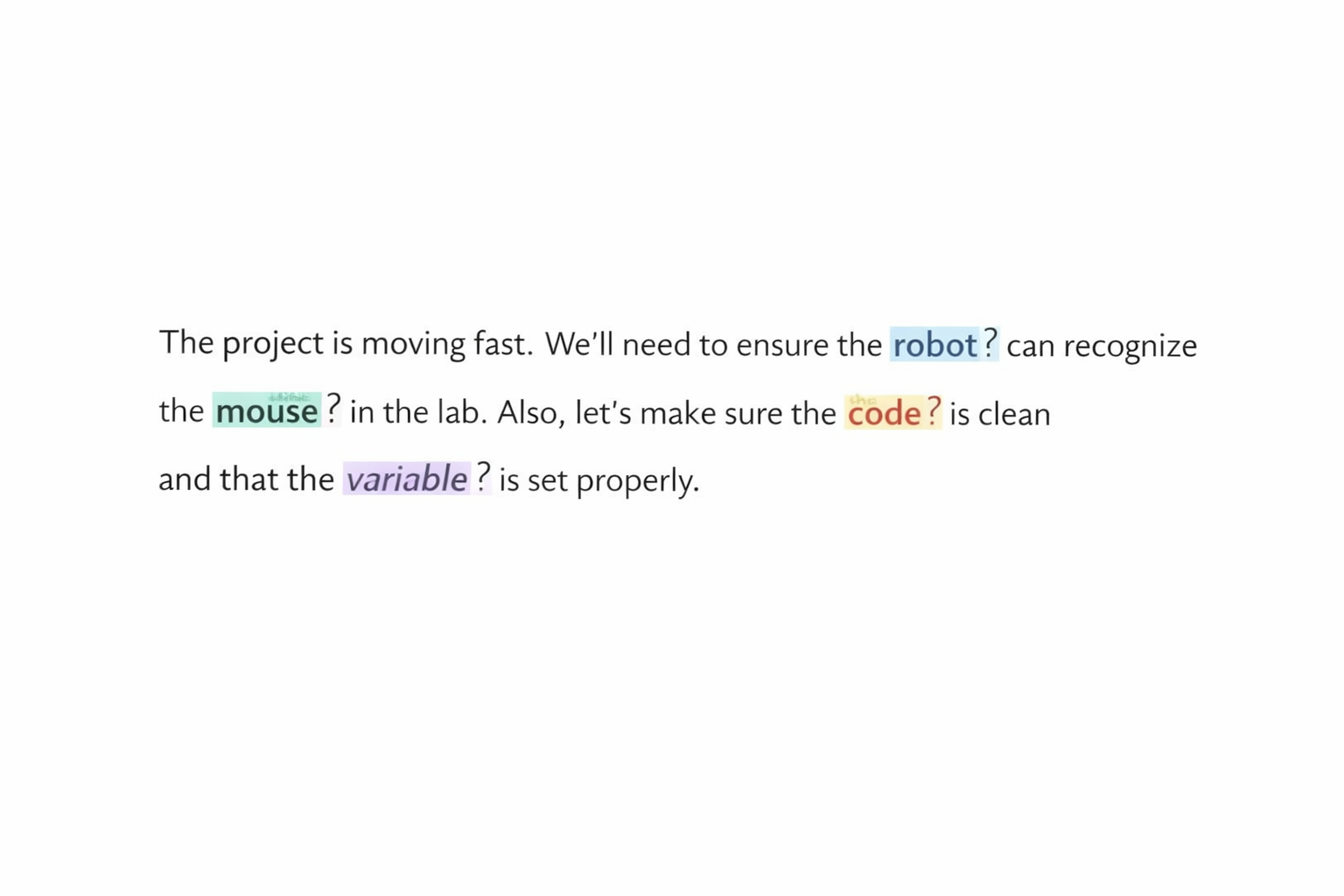
Each interaction is abstracted into structured semantic signals:
No raw content dependency
No personal data required
No persistent user profiling
2.SEMANTIC SIGNAL STRUCTURING
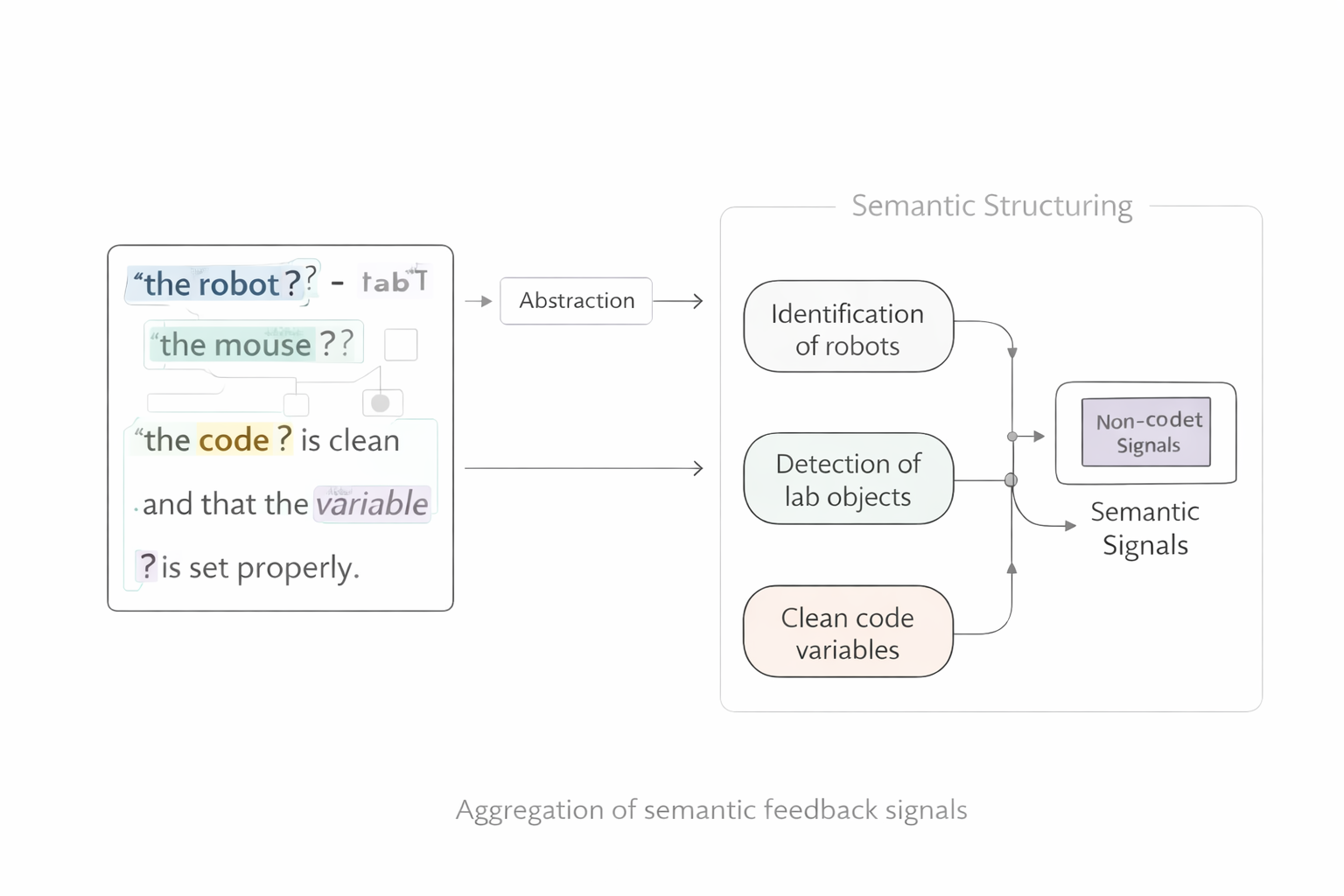
Repeated semantic signals reveal where human interpretation consistently breaks down across AI interactions.
3. UNDERSTANDING GAP AGGREGATION
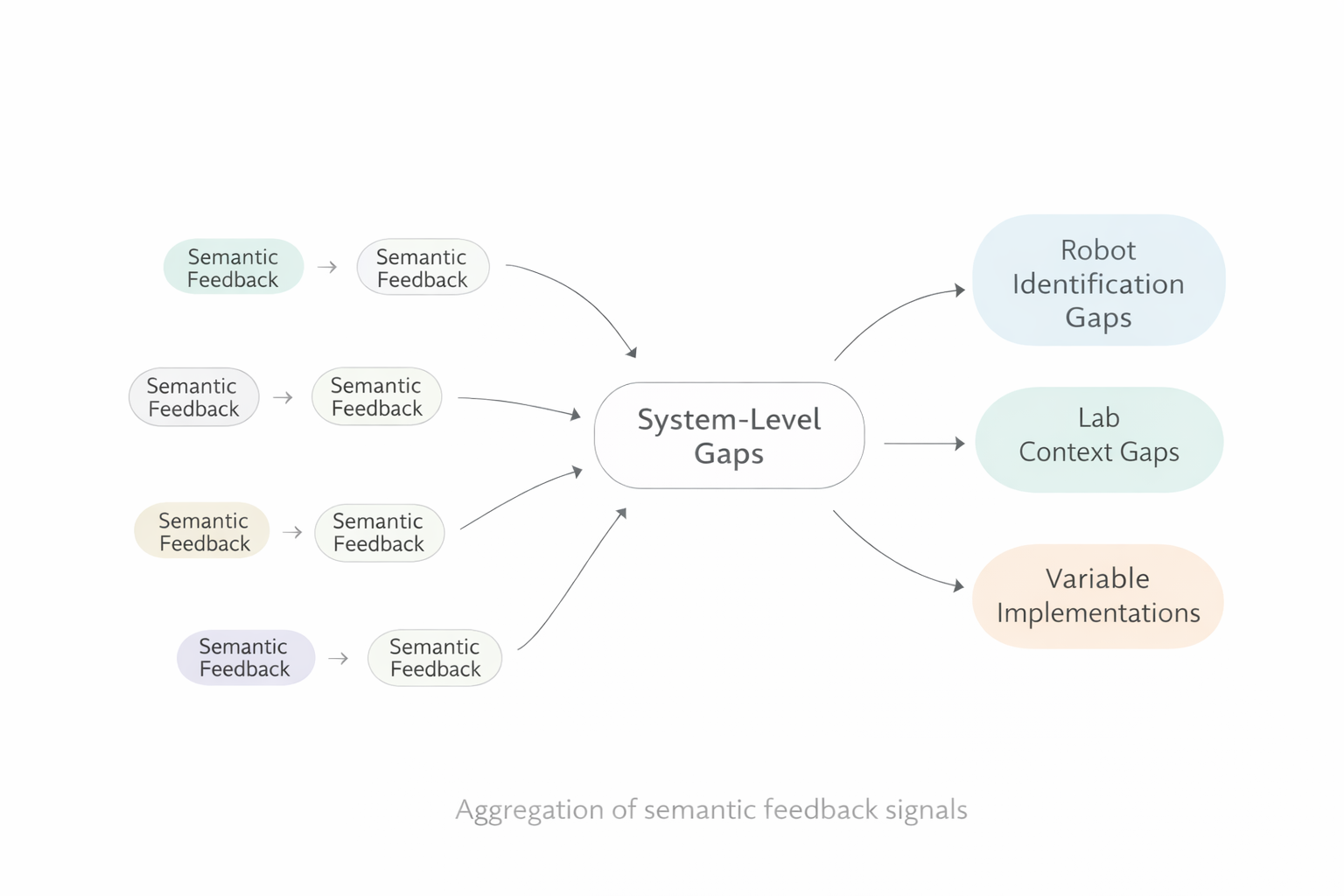
Illustrative diagrams only. The semantic layer operates independently of any interface.
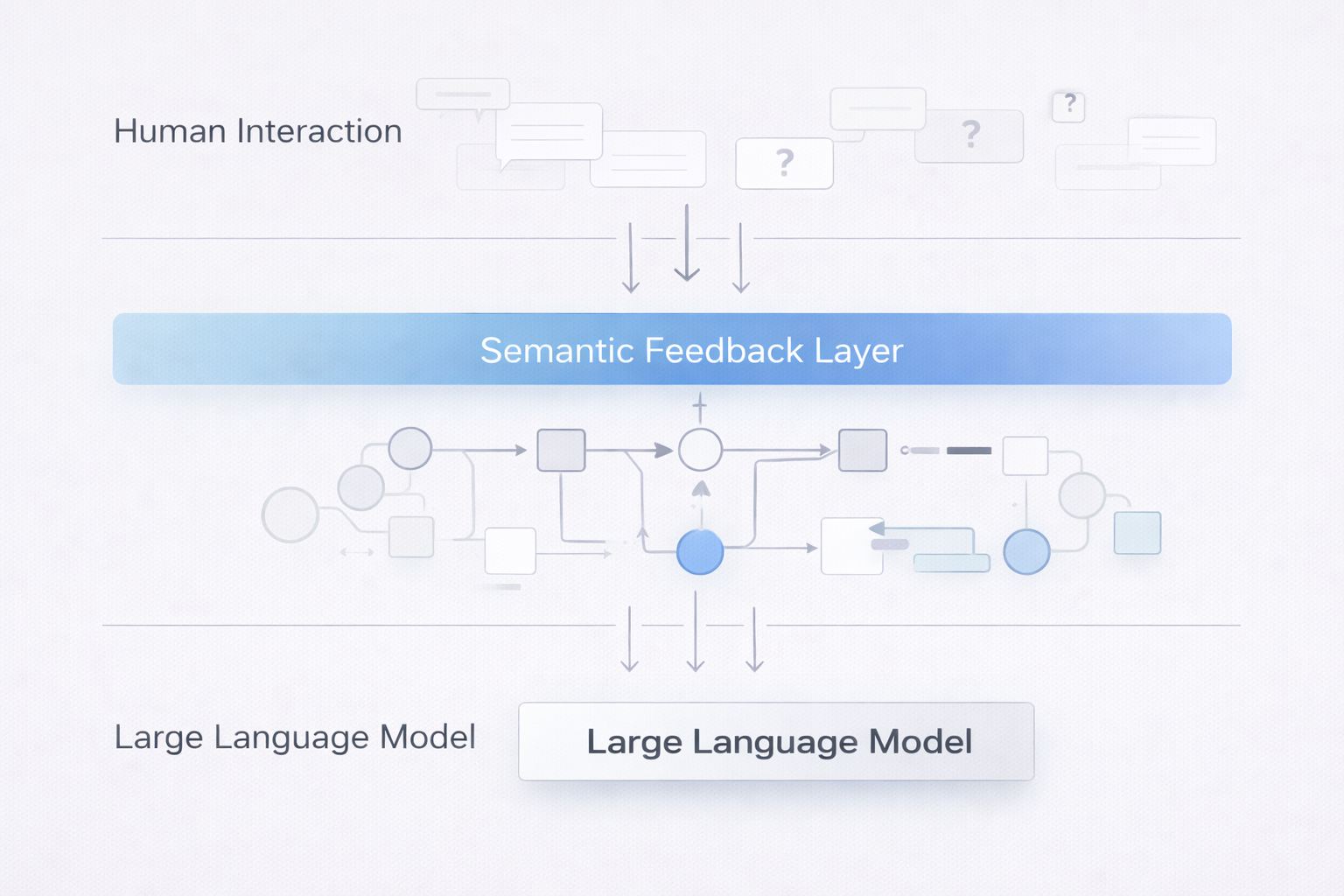
feedback to models
The problem
Large language models see prompts and outputs.
They rarely see misunderstanding.
A response can be correct.
A conversation can end smoothly.
But the user may still leave with an incomplete or distorted understanding.
Our approach
Navia-X structures interpretation failures as:
non-privacy
non-content
semantic feedback signals
These signals describe how and where users struggle to understand model outputs — not what they asked or received.
What we don’t do
No model weight access
No black-box optimization
No raw conversation capture
No personal profiling
Positioning
Navia-X operates adjacent to models, not inside them.
Supportive, not competitive.
Designed to improve AI alignment with human understanding through real usage signals.
explorations
Current focus
Semantic interpretation reinforcement — actively developed and tested through a first working product.
LONGER-TERM QUESTIONS
We are also exploring questions around identity, continuity, and reasoning in AI systems as long-term research directions.
These are not near-term product commitments.
note
This page reflects conceptual continuity, not a delivery roadmap.